Indoor Adventures, Outdoor Energy: The Hidden Fitness of Fun
As the waning grasp of winter loosens and the world begins its gentle tilt toward spring, families awaken to a collective longing for motion and connection. It is a perennial truth that the season of renewal summons us from stillness, urging bodies and hearts alike to re-engage with the physical world. However, for children raised amid the silent allure of screens and virtual repose, the notion of structured exercise can feel neither natural nor enticing. Here, modern recreation steps forward as an invitation, a joyful alternative to the rigid choreography of “formal fitness.”
This very philosophy permeates the narratives of leading indoor entertainment destinations around the globe, where play is a catalyst for holistic well-being. Through thoughtfully curated spaces, these brands have revealed a profound insight: when movement is wrapped in joy, the body awakens without resistance, and families rediscover togetherness without effort.
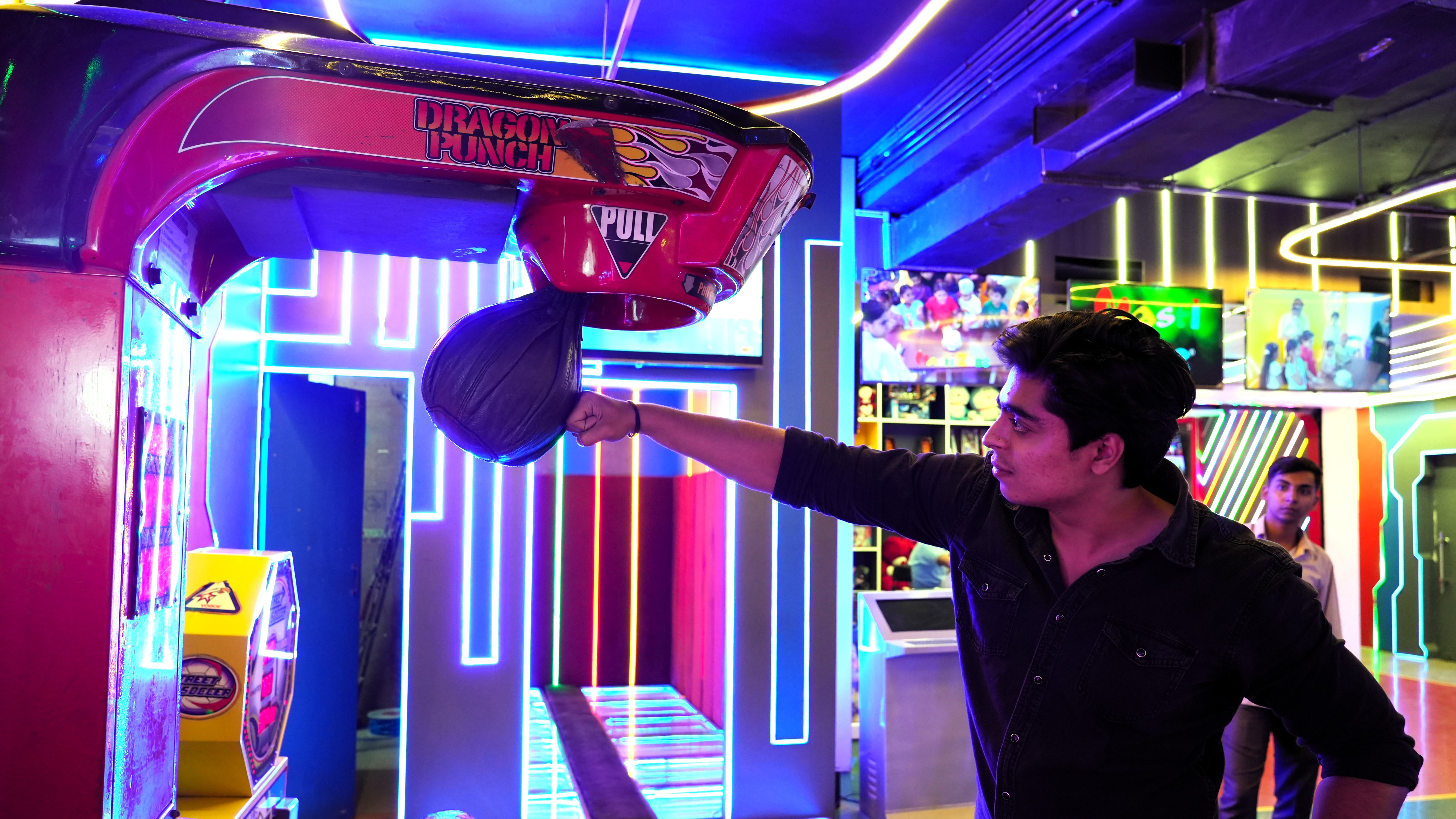
Consider the way multi-purpose indoor centers blend physical engagement with sensory delight. Within their expanses, bowling lanes become arenas of shared triumph, where balance and controlled strength are learned through the sheer joy of participation. Trampoline courts, pulsating with laughter and lift, cultivate endurance and coordination, transforming muscular engagement into bursts of spontaneous euphoria. Interactive arcade zones, awash in light and sound, require sharp reflexes and focused attention, turning energy expenditure into a compelling game rather than a chore.
What distinguishes these environments is not merely the diversity of attractions, but the deliberate integration of movement and delight. In spaces designed by leading playground innovators, climbing walls, obstacle courses, soft play areas and themed adventure zones are invitations to explore, to experiment, to discover one’s own capacity for motion. Each step, each jump, each turn of play becomes a building block in a child’s physical and cognitive development.
From a parent’s perspective, the genius of these modern indoor arenas lies in the invisibility of effort. Children experience exhilaration without any trace of exertion. They just feel the pulse of excitement. Adults, whose own habits may have grown dust-covered over time, find themselves smiling as they rediscover fluid motion through communal engagement with loved ones. The result is movement that feels natural, effortless and deeply satisfying.
There is a broader resonance here as well: indoor entertainment centres have evolved into community anchors and developmental nexuses. In these climate-controlled realms, families gather to forge shared rhythms of living. Researchers and industry experts alike note how such spaces support emotional well-being, fostering social interaction, resilience, coordination, confidence and even cooperation among peers.
Within environments meticulously engineered to be safe, supervised, and welcoming, the body moves freely, and the spirit responds joyfully. Activity ceases to feel like an obligation and becomes instead a vibrant expression of life instead. Families learn once again that movement is a celebration, an experience to be lived side by side, not checked off a list.
In choosing spaces that honour curiosity and warmth, families embrace healthier ways of being without pressure or pretense. Movement returns to its rightful counterpart, joy, reminding us all that the most enduring paths to well-being are those charted through laughter, laughter-filled leaps, and the simple pleasure of playing together.